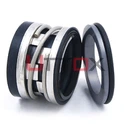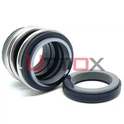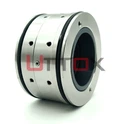


When equipment fails due to fluid leakage, production stops, costs skyrocket, and safety risks multiply across your facility. Carbon seals, particularly carbon face seals, stand as the critical defense line preventing these catastrophic failures in rotating machinery. These specialized sealing components create a dynamic barrier between stationary and rotating parts, handling everything from aggressive chemicals to extreme temperatures while maintaining zero-leakage performance. Understanding what carbon seals are used for and how they protect your operations is essential for any engineer, maintenance professional, or procurement manager responsible for equipment reliability in demanding industrial environments.
Understanding Carbon Face Seal Technology and Applications
Carbon face seals represent a sophisticated solution to one of industry's most persistent challenges: maintaining leak-proof sealing at the interface between rotating shafts and stationary equipment housings. The carbon face seal operates on a simple yet effective principle where a carbon ring maintains constant contact with a harder mating surface, typically made from materials like silicon carbide, creating a microscopic sealing interface that prevents fluid passage. This technology has evolved significantly since its introduction, with modern carbon face seal designs incorporating advanced materials science and precision engineering to deliver exceptional performance across diverse applications. The fundamental operation of a carbon face seal relies on maintaining an optimal balance between contact pressure and lubrication. Too much pressure generates excessive heat and accelerates wear, while insufficient pressure allows leakage. Engineers achieve this delicate balance through careful spring design, hydraulic force calculation, and material selection. The carbon material itself plays a crucial role, offering inherent self-lubricating properties that reduce friction, excellent thermal conductivity to dissipate heat, and chemical resistance to withstand harsh process fluids. These characteristics make carbon face seals indispensable in industries where equipment reliability directly impacts safety, environmental compliance, and profitability. Modern carbon face seal technology has expanded beyond traditional applications to address increasingly demanding service conditions. High-pressure applications in petroleum refining, corrosive environments in chemical processing, and high-speed rotating equipment in power generation all benefit from advanced carbon seal designs. Mechanical seal suppliers have responded to these challenges by developing specialized carbon grades, optimizing seal face geometries, and integrating complementary sealing technologies. The result is a mature, reliable sealing solution that continues to evolve, incorporating innovations in materials, manufacturing precision, and application-specific design optimization.
Primary Industrial Applications of Carbon Face Seals
Petroleum Refining and Petrochemical Processing
Carbon face seals serve as the workhorse sealing solution throughout petroleum refining operations, where they must handle hydrocarbon fluids ranging from light gases to heavy crude oils at elevated temperatures and pressures. Refinery pumps circulating corrosive crude oil, high-temperature reforming units, and catalytic cracker applications all rely on carbon face seal technology to prevent dangerous leaks and maintain process integrity. The ability of carbon materials to resist chemical attack from sulfur compounds, aromatic hydrocarbons, and other aggressive substances found in petroleum streams makes them ideally suited for these demanding applications. In petrochemical facilities producing chemicals from petroleum feedstocks, carbon face seals protect critical rotating equipment handling reactive monomers, solvents, and intermediate chemical products. These environments present unique challenges including thermal cycling, process upset conditions, and exposure to polymerizing compounds that can damage inferior sealing materials. High-quality carbon face seals, particularly those paired with RBSIC Seal Rings and Sleeves, provide the chemical inertness and thermal stability required for reliable long-term operation. The silicon carbide mating ring offers exceptional hardness and wear resistance, creating an ideal sealing pair with carbon that minimizes seal face wear even in applications with poor lubricity or abrasive contamination. Mechanical seal suppliers serving the petroleum industry understand that seal failure consequences extend far beyond simple maintenance issues. A failed carbon face seal in a hydrofluoric acid alkylation unit or sulfuric acid catalyst regeneration system creates immediate safety hazards requiring emergency shutdown, potentially causing millions of dollars in lost production. Therefore, refineries and petrochemical plants specify carbon face seals manufactured to stringent quality standards, with materials selection, face flatness, and assembly procedures carefully controlled to ensure consistent, reliable performance in these critical applications.

Water and Wastewater Treatment Facilities
Municipal and industrial water treatment plants depend heavily on carbon face seal technology to maintain the reliable operation of pumps handling clean water, process water, and wastewater streams. Clean water supply pumps, booster stations, and distribution system equipment use carbon face seals to prevent water loss while maintaining the sanitary integrity of potable water systems. The non-contaminating nature of carbon materials ensures they introduce no harmful substances into drinking water, while their wear resistance provides long service life with minimal maintenance intervention. Wastewater treatment presents more challenging conditions for carbon face seals, with abrasive solids, biological growth, and chemical additives all contributing to aggressive service environments. Primary treatment pumps handling raw sewage, secondary treatment aerators, and sludge dewatering equipment all incorporate carbon face seals designed specifically for these difficult applications. Sinter SIC mating rings paired with resin-impregnated carbon faces provide excellent resistance to abrasive wear from sand, grit, and other suspended solids commonly found in wastewater streams. The chemical resistance of both carbon and silicon carbide materials ensures compatibility with chlorine, caustic solutions, and other treatment chemicals. Advanced water treatment processes including reverse osmosis, ultrafiltration, and ion exchange rely on high-pressure pumps sealed with precision-engineered carbon face seals. These applications demand extremely tight sealing to prevent process contamination and maintain system efficiency. RBSIC Seal Rings and Sleeves manufactured to tight flatness tolerances create the sealing precision required for these demanding applications. Mechanical seal suppliers specializing in water treatment understand that seal reliability directly impacts public health protection and environmental compliance, driving continuous improvement in carbon face seal design and manufacturing quality for this critical market sector.
Pulp and Paper Manufacturing
The pulp and paper industry presents uniquely challenging conditions for sealing technology, combining abrasive fiber suspensions, extreme pH conditions, and elevated temperatures in equipment operating continuously for months between maintenance shutdowns. Stock pumps circulating fiber suspensions, bleach plant equipment handling chlorine dioxide and other oxidizing chemicals, and paper machine applications all require robust carbon face seal designs capable of surviving these harsh environments. The self-lubricating properties of carbon materials prove particularly valuable in pulp slurry applications where process fluids provide poor boundary lubrication. Chemical pulping processes expose carbon face seals to extreme alkaline conditions in kraft digesters and caustic recovery systems, along with highly acidic environments in sulfite pulping operations. Carbon materials offer excellent resistance to both strong acids and alkalis, maintaining structural integrity and sealing performance throughout extended exposure. When paired with silicon carbide mating rings, particularly RBSIC Seal Rings and Sleeves manufactured using reaction sintering processes, these seals create a nearly indestructible sealing combination resistant to chemical attack, thermal shock, and mechanical abuse common in pulp mill environments. Papermaking applications include high-speed rotating dryer cylinders, vacuum pumps, and various process pumps handling white water, starch solutions, and chemical additives. These applications benefit from carbon face seal designs incorporating antimicrobial carbon grades that resist biological fouling, specialized face geometries that accommodate axial and radial shaft movement, and robust secondary sealing elements that maintain seal integrity despite equipment vibration and misalignment. Mechanical seal suppliers serving the pulp and paper industry provide application-specific carbon face seal solutions engineered to address the unique challenges of each process area, contributing significantly to improved equipment reliability and reduced maintenance costs.
Material Science Behind High-Performance Carbon Seals
Reaction Bonded Silicon Carbide Technology
Reaction sintered silicon carbide, commonly abbreviated as RBSIC, represents a breakthrough material technology for mechanical seal applications requiring exceptional wear resistance combined with chemical inertness. The manufacturing process for RBSIC Seal Rings and Sleeves begins with forming porous carbon profiles to precise dimensions, which are then infiltrated with molten silicon at elevated temperatures. This reaction bonding process converts the carbon into silicon carbide in situ, creating a monolithic structure of fine-grained ceramic material with approximately ten to twelve percent residual free silicon distributed throughout the microstructure. This unique composition delivers several critical advantages for carbon face seal applications. The silicon carbide matrix provides extreme hardness exceeding that of tungsten carbide, ensuring the seal face resists wear even when running against abrasive carbon counterfaces or when subjected to contamination by process solids. The residual free silicon, rather than being a liability, actually enhances sealing performance by providing boundary lubrication at the seal interface, reducing friction and minimizing heat generation during operation. When a carbon face seal runs against an RBSIC Seal Ring, the free silicon migrates to the contact interface, creating a lubricating film that protects both surfaces from excessive wear while maintaining the tight clearances necessary for effective sealing. The API 682 standard, which governs mechanical seal specifications for petroleum, chemical, and gas industry applications, specifically recommends reaction sintered silicon carbide as a preferred material for seal faces due to its outstanding performance characteristics. Sinter SIC mating rings manufactured through reaction bonding exhibit superior thermal shock resistance compared to alternative ceramic materials, allowing them to survive rapid temperature fluctuations common in many industrial processes. The fine-grained microstructure achieves surface finishes measured in light bands of helium, creating mirror-smooth seal faces that minimize leakage while maximizing service life. Mechanical seal suppliers offering RBSIC Seal Rings and Sleeves provide customers with a proven material solution that delivers reliability across the broadest possible range of operating conditions.
Carbon Material Selection and Optimization
Carbon materials used in mechanical seals span a wide spectrum of compositions and properties, each optimized for specific application requirements. Pure carbon graphite offers maximum chemical resistance and self-lubrication but provides relatively low mechanical strength. Resin-impregnated carbon graphite combines carbon's favorable tribological properties with enhanced strength and reduced porosity achieved through impregnating the carbon matrix with thermosetting resin. Metal-filled carbon grades incorporate copper, bronze, or other metals to improve thermal conductivity and mechanical properties while maintaining carbon's inherent lubricity and chemical resistance. The selection of appropriate carbon material for a carbon face seal application requires careful consideration of multiple factors including process fluid compatibility, operating temperature, pressure-velocity limits, and expected service life. Aggressive chemicals may attack resin binders in impregnated grades, necessitating pure carbon graphite despite its lower mechanical properties. High-speed applications benefit from metal-filled carbons that conduct frictional heat away from the seal interface more effectively. Abrasive service conditions require harder carbon grades with higher resin content or metal reinforcement to resist erosive wear. Experienced mechanical seal suppliers maintain extensive material testing data and application experience to guide proper carbon grade selection for each unique set of operating conditions. Advanced carbon face seal designs increasingly incorporate engineered surface features to optimize sealing performance beyond what material properties alone can achieve. Laser-etched microgrooves, precision-ground spiral patterns, and controlled surface roughness modifications all influence fluid film formation at the seal interface, affecting leakage rate, friction, and wear behavior. These surface engineering techniques, combined with optimal carbon material selection and precision-manufactured RBSIC Seal Rings and Sleeves, enable modern carbon face seals to achieve performance levels unimaginable just decades ago. The ongoing evolution of carbon materials technology and surface engineering continues to expand the operating envelope for carbon face seal applications, addressing ever-more-demanding service conditions across diverse industries.
Selecting and Sourcing Quality Carbon Face Seals
Evaluating Mechanical Seal Suppliers
Choosing the right mechanical seal suppliers represents a critical procurement decision with far-reaching implications for equipment reliability, maintenance costs, and operational safety. Superior suppliers distinguish themselves through multiple characteristics including extensive engineering expertise, rigorous quality control systems, comprehensive testing capabilities, and proven track records in relevant industries. When evaluating potential suppliers for carbon face seals and RBSIC Seal Rings and Sleeves, procurement professionals should investigate manufacturing capabilities, material sourcing practices, quality certifications, and technical support resources available to customers. Manufacturing capability assessment should examine equipment precision, process controls, and inspection procedures employed throughout production. Carbon face seal performance depends critically on dimensional accuracy, surface finish quality, and material consistency, all of which require sophisticated manufacturing equipment and experienced operators. Facilities utilizing computer-controlled grinding machines, automated inspection systems, and climate-controlled assembly environments demonstrate commitment to producing premium-quality sealing components. Additionally, suppliers maintaining vertical integration of critical processes, including carbon material formulation and RBSIC Seal Ring production, typically deliver more consistent quality compared to assemblers dependent on purchased components. Technical support capabilities separate excellent mechanical seal suppliers from merely adequate ones, particularly when addressing complex or unusual applications requiring custom engineering solutions. The best suppliers employ experienced application engineers who understand mechanical seal theory, material science, and industry-specific operating conditions. These technical teams work collaboratively with customers to analyze operating parameters, identify potential failure mechanisms, and design optimized sealing solutions incorporating appropriate carbon materials, mating ring materials like Sinter SIC, and seal configuration details. Ongoing technical support throughout the product lifecycle, including installation guidance, troubleshooting assistance, and failure analysis services, adds substantial value beyond simply supplying quality components.
Quality Indicators and Performance Verification
Verifying carbon face seal quality before installation prevents costly equipment failures and unplanned downtime resulting from defective sealing components. Visual inspection represents the first quality verification step, examining carbon faces for cracks, chips, or porosity that indicate manufacturing defects or handling damage. The sealing surface should exhibit a uniform, mirror-smooth finish without visible tool marks, scratches, or embedded contamination. RBSIC Seal Rings and Sleeves require particularly careful inspection as their brittle ceramic structure makes them susceptible to edge chipping during manufacturing or shipping, potentially causing rapid seal failure through face damage. Dimensional verification using precision measurement equipment confirms that seal components conform to specified tolerances essential for proper assembly and operation. Key dimensions including face flatness, concentricity, perpendicularity, and surface finish directly affect sealing performance and must be controlled to tight tolerances. Flatness deviations measured in light bands of helium represent the gold standard for critical carbon face seal applications, ensuring intimate contact across the entire sealing interface. Reputable mechanical seal suppliers provide certified dimensional inspection reports documenting conformance to specifications, offering customers confidence in component quality before installation. Material verification through composition analysis and property testing ensures carbon face seal components actually incorporate the specified materials rather than inferior substitutes. Carbon hardness testing, density measurement, and metallographic examination confirm material grade and quality. For RBSIC Seal Rings and Sleeves, X-ray diffraction analysis verifies silicon carbide crystal structure while scanning electron microscopy examines microstructure uniformity. Chemical analysis confirms the material composition including free silicon content falls within acceptable ranges. Customers sourcing from China carbon face seal manufacturers should insist on comprehensive material testing documentation to verify they receive genuine Sinter SIC and high-quality carbon materials rather than cheaper alternatives that compromise sealing performance.
Maintenance and Troubleshooting of Carbon Seal Systems
Carbon face seals operating within their design parameters typically deliver years of reliable, leak-free service with minimal maintenance requirements. However, optimizing seal performance and maximizing service life requires attention to several key factors throughout the equipment lifecycle. Proper installation procedures, appropriate operating practices, and proactive monitoring all contribute to successful carbon face seal applications. Understanding common failure modes and their root causes enables maintenance personnel to identify problems early and implement corrective actions before catastrophic seal failure occurs. Installation represents a critical phase where many carbon face seal problems originate, with improper handling, incorrect assembly procedures, or inadequate cleanliness causing premature failures. Carbon and RBSIC Seal Rings and Sleeves must be handled carefully to avoid chipping edges or contaminating sealing surfaces with fingerprints, dirt, or assembly lubricants. Assembly should follow manufacturer procedures exactly, achieving specified spring compression, maintaining concentricity, and verifying all components seat properly. Shaft and housing preparation, including surface finish, alignment, and cleanliness, significantly influence seal performance and must meet minimum requirements specified by mechanical seal suppliers. Operating condition monitoring through temperature measurement, vibration analysis, and visual inspection enables early detection of developing seal problems before failure occurs. Excessive temperature indicates inadequate lubrication, face damage, or improper spring loading, while unusual vibration patterns suggest shaft misalignment or bearing wear affecting seal operation. Visible signs of leakage, crystalline deposits around the seal, or unusual noise require immediate investigation to determine root causes and implement corrections. When sourcing carbon face seals for sale from China carbon face seal suppliers, ensuring access to technical support resources for troubleshooting assistance adds significant value, particularly for challenging applications or when investigating unexpected seal performance issues.
Conclusion
Carbon face seals deliver essential sealing performance across countless industrial applications, protecting equipment, personnel, and the environment from hazardous leaks in rotating machinery. Their unique combination of self-lubrication, chemical resistance, and wear durability makes them indispensable for reliable operation in petroleum refining, water treatment, pulp and paper manufacturing, and numerous other industries where seal failure carries serious consequences.
Cooperate with Zhejiang Uttox Fluid Technology Co., Ltd.
Partner with Zhejiang Uttox Fluid Technology Co., Ltd., a China carbon face seal manufacturer with over thirty years of expertise delivering high quality carbon face seal solutions recognized across fifty countries. Our experienced technical team provides customized sealing solutions featuring RBSIC Seal Rings and Sleeves manufactured to exacting standards, extensive product variety including Sinter SIC mating rings, and fast delivery from sufficient inventory. As a trusted China carbon face seal supplier, we offer professional technical support with OEM capabilities, quality assurance through rigorous controls, and competitive carbon face seal prices. Whether you need a reliable China carbon face seal factory or carbon face seal wholesale supplier, contact Uttox at info@uttox.com to discuss your sealing challenges and discover how our proven solutions enhance your equipment reliability.
References
1. Lebeck, August O. Principles and Design of Mechanical Face Seals. John Wiley & Sons.
2. Mayer, Edward. Mechanical Seals: Handbook for Designers and Users. Newnes Publishing.
3. Summers-Smith, Denis. Mechanical Seal Practice for Improved Performance. Professional Engineering Publishing.
4. American Petroleum Institute. API Standard 682: Pumps - Shaft Sealing Systems for Centrifugal and Rotary Pumps. API Publishing Services.