

Are you struggling with equipment failures, premature wear, and costly downtime in your industrial operations? The solution might be simpler than you think. Tungsten carbide has revolutionized modern manufacturing and industrial processes, offering unmatched durability where traditional materials fail. This comprehensive guide reveals the top five applications of tungsten carbide, demonstrating why industries worldwide rely on this exceptional material to solve their most challenging operational problems. From mechanical seals that prevent catastrophic leaks to cutting tools that maintain precision under extreme conditions, understanding these applications will help you make informed decisions for your operations.
What Makes Tungsten Carbide the Material of Choice for Industrial Applications?
Tungsten carbide stands as one of the hardest materials available for industrial use, ranking 9 on the Mohs hardness scale-second only to diamond. This remarkable compound, formed by combining tungsten and carbon atoms at extremely high temperatures, exhibits a unique combination of properties that make it indispensable across multiple industries. The material's exceptional hardness, coupled with impressive toughness, creates a performance profile that few other materials can match in demanding applications. The fundamental structure of tungsten carbide involves tungsten atoms bonded to carbon in a specific crystalline arrangement, typically combined with metallic binders such as cobalt or nickel. This composition delivers not only extreme hardness but also maintains structural integrity under conditions that would destroy conventional materials. The cobalt-based tungsten carbide formulations offer broad applicability across general industrial environments, while nickel-based variants provide enhanced corrosion resistance particularly valued in petrochemical operations. Modern manufacturing has also developed binderless tungsten carbide, which represents the pinnacle of corrosion-resistant cemented carbide technology for mechanical seals and critical sealing applications.
Understanding Tungsten Carbide Properties and Performance Characteristics
The exceptional performance of tungsten carbide stems from its intrinsic material properties. With a melting point exceeding 2,870 degrees Celsius, tungsten carbide maintains its structural integrity in high-temperature environments where other materials would soften or fail. This thermal stability, combined with remarkable wear resistance, makes tungsten carbide seal rings and TC seal rings the preferred choice for sealing surfaces in mechanical seals operating under extreme conditions. The material's density, approximately twice that of steel, contributes to its wear resistance and ability to maintain precise dimensional tolerances over extended service life. This characteristic proves particularly valuable in applications requiring long-term reliability without frequent maintenance or replacement. Industries processing abrasive media, corrosive chemicals, or operating at elevated pressures consistently choose tungsten carbide components to minimize downtime and maximize operational efficiency. The combination of high rigidity and acceptable toughness prevents catastrophic brittle failure while resisting plastic deformation under load, a balance that defines tungsten carbide's utility across diverse industrial applications.
Use #1: Mechanical Seals and Sealing Applications
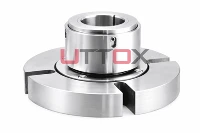
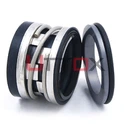
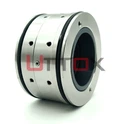
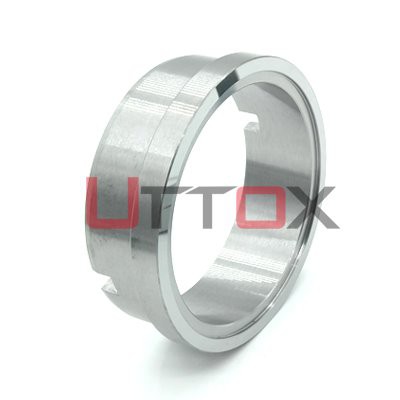
Mechanical seals represent perhaps the most critical application of tungsten carbide in industrial fluid handling systems. These precision-engineered components prevent leakage between rotating and stationary parts in pumps, mixers, compressors, and similar equipment. The sealing faces must maintain intimate contact while accommodating relative motion, creating extreme demands for surface hardness, dimensional stability, and wear resistance. Tungsten carbide seal rings excel in these applications, providing reliable sealing performance across diverse operating conditions. The success of tungsten carbide in mechanical seal applications derives from its ability to maintain precisely flat, smooth sealing surfaces throughout extended operational periods. When paired with compatible mating materials, tungsten carbide seal rings create sealing interfaces that resist wear from friction, erosion from process fluids, and chemical attack from aggressive media. The material's thermal conductivity facilitates heat dissipation from the sealing interface, preventing thermal distortion that could compromise seal effectiveness. Industries including petroleum refining, chemical processing, water treatment, pulp and paper production, pharmaceutical manufacturing, power generation, food and beverage processing, and shipbuilding depend on these reliable sealing solutions.
Tungsten Carbide Seal Ring Materials and Grades
Manufacturing high-performance tungsten carbide seal rings requires careful selection of material grades to match specific operating conditions. Common grades include YG6 and YG8 for cobalt-bonded variants, along with YN6 and YN8 for nickel-bonded formulations. Each grade designation indicates specific composition ratios that determine final performance characteristics. YG6 and YG8 grades, containing different cobalt percentages, offer excellent general-purpose performance with good toughness and wear resistance. The nickel-bonded YN6 and YN8 grades provide superior corrosion resistance, making them ideal for petrochemical applications involving acidic or chemically aggressive process streams. Professional manufacturers maintain strict dimensional tolerances during tungsten carbide seal ring production, recognizing that sealing performance depends critically on surface flatness, parallelism, and finish quality. Advanced grinding and lapping processes achieve surface finishes measured in nanometers, creating mirror-smooth sealing faces that minimize leakage and maximize seal life. The processing requirements for tungsten carbide components demand specialized equipment and expertise, as the material's extreme hardness challenges conventional machining methods. Quality tungsten carbide sleeves and seal rings undergo rigorous inspection protocols to verify dimensional accuracy and surface quality before installation in critical sealing applications.
Application Advantages in Extreme Operating Conditions
Tungsten carbide mechanical seals demonstrate remarkable versatility across extreme operating conditions that would rapidly destroy seals made from softer materials. High-pressure applications benefit from tungsten carbide's resistance to plastic deformation, maintaining sealing face flatness even under substantial mechanical loads. Elevated temperature operations leverage the material's thermal stability, preventing the softening and accelerated wear that affect many alternative seal face materials. Abrasive service conditions, where process fluids contain suspended solids, showcase tungsten carbide's superior erosion resistance. The pairing of tungsten carbide seal rings in both primary and mating positions, commonly used in petroleum refining, mining operations, and non-corrosive industrial processes, provides exceptional reliability. This configuration eliminates galvanic corrosion concerns while delivering consistent performance across varying service conditions. Chemical processing applications particularly value tungsten carbide's resistance to chemical attack, as the material remains stable when exposed to most acids, alkalis, and organic solvents. The TC seal rings maintain their dimensional precision and surface quality throughout exposure to aggressive chemicals that would corrode or erode conventional seal materials, ensuring continued leak-free operation.
Use #2: Cutting Tools and Machining Applications
The metal cutting industry relies extensively on tungsten carbide for manufacturing cutting tools that shape metals, plastics, and composite materials. Cutting tool inserts, end mills, drills, and threading tools fabricated from tungsten carbide deliver superior performance compared to high-speed steel alternatives. The material's exceptional hardness allows cutting edges to maintain sharpness through extended machining operations, reducing tool change frequency and improving productivity. Manufacturing operations processing difficult-to-machine materials such as hardened steels, titanium alloys, and nickel-based superalloys depend on tungsten carbide cutting tools to achieve required dimensional accuracy and surface finish quality. Modern machining operations generate substantial heat at the cutting interface where tool meets workpiece. Tungsten carbide's ability to retain hardness at elevated temperatures-a property called hot hardness-enables higher cutting speeds and feed rates than possible with conventional tool materials. This capability translates directly into improved manufacturing productivity and reduced per-part production costs. The development of coated tungsten carbide inserts, featuring thin layers of titanium nitride, titanium carbonitride, or aluminum oxide, further enhances performance by reducing friction, improving chip evacuation, and extending tool life. Industries including automotive manufacturing, aerospace component production, general engineering, and precision machining operations utilize tungsten carbide cutting tools as essential production equipment.
Tungsten Carbide Tool Grades for Specific Materials
Cutting tool manufacturers produce numerous tungsten carbide grades optimized for machining specific workpiece materials. Grades designed for machining ferrous metals typically contain less cobalt binder, maximizing hardness and wear resistance for cutting steel and cast iron. Alternative formulations with higher cobalt content provide increased toughness for interrupted cutting operations or machining conditions generating impact loads. Specialized grades address the unique challenges of machining stainless steels, which tend to work-harden during cutting, or titanium alloys, which generate high cutting temperatures despite relatively low mechanical loads. The grain size of tungsten carbide particles within the tool material significantly influences performance characteristics. Fine-grained tungsten carbide produces harder tools with improved wear resistance but reduced toughness, suitable for finishing operations requiring excellent surface finish. Coarser grain structures sacrifice some hardness to gain toughness, better accommodating the shock loads encountered in roughing operations or milling applications. Advanced manufacturing techniques have produced ultra-fine and nano-grain tungsten carbide grades, pushing performance boundaries for demanding precision machining applications where both hardness and edge quality are critical.
Use #3: Mining and Drilling Equipment
Mining operations encounter some of the most abrasive and demanding conditions in industrial applications, making tungsten carbide components essential for reliable equipment operation. Drill bits used in oil and gas exploration, mineral mining, and geotechnical investigation incorporate tungsten carbide inserts to penetrate hard rock formations efficiently. The extreme compressive forces, abrasive rock contact, and impact loads generated during drilling would rapidly destroy drill bits made from conventional materials. Tungsten carbide's combination of hardness, toughness, and wear resistance enables drill bits to maintain cutting effectiveness through extended drilling operations. Rock drilling applications employ various tungsten carbide configurations depending on specific drilling methods. Top hammer rock drill bits use cylindrical or button-shaped tungsten carbide inserts brazed into steel bit bodies, creating robust tools for pneumatic percussion drilling. Down-the-hole hammer bits incorporate larger tungsten carbide buttons arranged to provide effective rock breakage while resisting wear from abrasive formations. Roller cone drill bits, widely used in oil well drilling, feature tungsten carbide cutting elements precisely positioned on rotating cones that crush and shear rock as the bit advances. Tunnel boring machines, which excavate large-diameter tunnels for transportation infrastructure and mining access, employ thousands of tungsten carbide disc cutters and button inserts to achieve efficient rock excavation rates.
Wear Parts and Ground Engaging Tools
Beyond drilling applications, mining operations use tungsten carbide extensively in wear parts and ground engaging tools subjected to severe abrasive wear. Longwall mining systems, which extract coal from underground seams, incorporate tungsten carbide elements in shearer picks that cut coal from the working face and plough chisels that break and load material onto conveyors. The abrasive nature of coal and associated rock strata would rapidly wear tools made from conventional materials, but tungsten carbide components maintain cutting effectiveness throughout extended production shifts. Surface mining operations employ excavators and loaders equipped with tungsten carbide-tipped teeth on buckets and rippers. These ground engaging tools must penetrate compacted overburden and fragmented rock while resisting wear from continuous contact with abrasive materials. The economic impact of tungsten carbide in mining applications extends beyond simple wear resistance-reduced equipment downtime, decreased tool change frequency, and improved productivity combine to significantly lower operational costs. Crushing and grinding circuits that reduce ore particle size also utilize tungsten carbide components in hammer mill tips, crusher wear plates, and grinding media, where the material's hardness and wear resistance directly influence processing efficiency and operating costs.
Use #4: Wear-Resistant Components and Industrial Parts
Industrial manufacturing processes frequently involve material handling, processing, and forming operations that generate severe wear on equipment components. Tungsten carbide serves as the material of choice for numerous wear-resistant parts where extended service life justifies the initial material cost. Applications range from nozzles and orifices that meter abrasive fluids or slurries, to forming dies that shape materials through plastic deformation, to guides and wear plates that direct material flow through processing equipment. Each application leverages tungsten carbide's exceptional wear resistance to minimize maintenance requirements and maximize equipment availability. Spray nozzles used in surface coating, chemical processing, and cleaning applications illustrate tungsten carbide's value in abrasive fluid handling. Nozzles fabricated from conventional materials erode rapidly when spraying abrasive slurries, causing dimensional changes that alter spray patterns and flow rates. Tungsten carbide nozzles maintain original dimensions and performance characteristics through extended service, ensuring consistent process results and reducing maintenance costs. Similar benefits apply to valve components including seats, balls, and gate surfaces that control fluid flow in abrasive or erosive service conditions. The dimensional stability of tungsten carbide components throughout their service life maintains tight clearances and precise flow control, critical factors in many industrial processes.
Manufacturing Dies and Forming Tools
Metal forming operations that shape parts through stamping, drawing, extrusion, or forging generate high contact pressures and sliding friction between tools and workpieces. These conditions create ideal circumstances for adhesive and abrasive wear mechanisms that rapidly degrade tool surfaces made from softer materials. Tungsten carbide dies and punches resist these wear mechanisms, maintaining dimensional accuracy through production of thousands or even millions of parts. Cold heading operations that form fasteners from wire stock particularly benefit from tungsten carbide tooling, as the repeated impact loads and material flow across die surfaces would quickly wear conventional tool materials. Drawing dies used to reduce wire diameter or tube wall thickness also exploit tungsten carbide's wear resistance and low friction characteristics. The material's ability to maintain precisely sized and contoured drawing surfaces ensures consistent product dimensions throughout extended production runs. Pelletizing dies that form granular materials into cylindrical pellets, commonly used in plastics processing, animal feed production, and biomass fuel manufacturing, incorporate tungsten carbide inserts in high-wear zones. These applications demonstrate how tungsten carbide components provide economic benefits extending far beyond simple wear resistance-improved dimensional control, reduced scrap rates, decreased downtime, and lower maintenance costs combine to justify the material selection across diverse manufacturing operations.
Use #5: Specialty Applications in Multiple Industries
Beyond the major application categories, tungsten carbide finds use in numerous specialty applications where its unique properties solve specific technical challenges. The jewelry industry has embraced tungsten carbide for crafting durable, scratch-resistant rings that maintain their finish and dimensions throughout daily wear. The material's distinctive appearance, high density, and exceptional hardness appeal to consumers seeking jewelry that withstands active lifestyles while requiring minimal maintenance. Manufacturing tungsten carbide jewelry requires specialized techniques to work the hard material, but the resulting products offer durability far exceeding that of precious metal alternatives. Surgical instruments and medical devices represent another growing application area for tungsten carbide. Surgical scissors, forceps, and needle holders benefit from cutting edges that remain sharp through repeated use and sterilization cycles. The material's biocompatibility, combined with its mechanical properties, makes it suitable for certain implantable medical devices and components for diagnostic equipment. Radiation shielding applications in medical imaging, nuclear power plants, and industrial radiography utilize tungsten carbide's high density to provide effective radiation attenuation in compact configurations. The material's combination of density and mechanical strength enables shield designs that protect personnel and equipment while minimizing physical space requirements.
Emerging Applications and Future Developments
Research and development efforts continue expanding tungsten carbide applications into new technical areas. The electronics industry investigates tungsten carbide for wear-resistant contacts, heat sinks, and specialized semiconductor manufacturing tools. Aerospace applications include turbine engine components, ballast weights, and structural elements where tungsten carbide's strength-to-weight ratio and temperature resistance provide performance advantages. Additive manufacturing technologies have begun producing tungsten carbide components through metal 3D printing processes, opening possibilities for complex geometries and customized parts previously difficult or impossible to manufacture using conventional methods. Environmental and recycling applications increasingly utilize tungsten carbide in equipment processing waste materials, biomass, and recyclable products. Shredder hammers, chipper blades, and size reduction equipment benefit from tungsten carbide's wear resistance when processing abrasive materials containing contaminants. The renewable energy sector employs tungsten carbide components in wind turbine systems and hydroelectric installations where reliability and extended service life justify premium materials. These diverse applications demonstrate tungsten carbide's versatility and the ongoing expansion of its use across industrial and consumer markets as engineers and designers recognize the material's unique combination of beneficial properties.
Conclusion
Tungsten carbide has established itself as an indispensable material across critical industrial applications, from mechanical seals ensuring leak-free operation in process equipment to cutting tools enabling precision manufacturing. Its exceptional hardness, wear resistance, and thermal stability solve operational challenges that defeat conventional materials, delivering reliability and performance in the most demanding service conditions.
Cooperate with Zhejiang Uttox Fluid Technology Co., Ltd.
As a leading China tungsten carbide manufacturer, China tungsten carbide supplier, and China tungsten carbide factory with over 30 years of specialized experience, Zhejiang Uttox Fluid Technology Co., Ltd. offers high quality tungsten carbide seal rings and TC sleeves at competitive tungsten carbide prices. Our experienced research and development team provides technical guidance and customized solutions for diverse working conditions across petroleum refining, water treatment, pulp and paper, shipbuilding, food and beverage, pharmaceutical, and power plant industries. With extensive product variety, sufficient inventory for fast delivery, and professional technical support including OEM services, we serve customers in over 50 countries who trust our quality-comparable to industry-leading standards. Whether you need tungsten carbide for sale in standard grades (YG6, YG8, YN6, YN8) or custom specifications, our strict quality control ensures reliable performance in extreme operating conditions. Contact us at info@uttox.com for the latest prices and technical information about our tungsten carbide seal rings and sleeves. Join our China tungsten carbide wholesale partnership and experience why we're recognized as one of China's leading sealing ring companies committed to building a safer, more efficient industrial future.
References
1. Davis, J.R. (Editor). "Tool Materials: ASM Specialty Handbook." ASM International Materials Park, 1995.
2. Prakash, L. "Fundamentals and General Applications of Hardmetals." Comprehensive Hard Materials, Elsevier Publishing, 2014.
3. Brookes, K.J.A. "World Directory and Handbook of Hardmetals and Hard Materials." International Carbide Data, 6th Edition, 1996.
4. Upadhyaya, G.S. "Cemented Tungsten Carbides: Production, Properties, and Testing." Materials Science and Process Technology Series, William Andrew Publishing, 1998.