

When industrial mixing equipment operates continuously in demanding chemical, pharmaceutical, and petrochemical environments, preventing leakage becomes a critical priority. Agitator mechanical seals serve as the primary defense against fluid escape at the point where rotating shafts penetrate vessel walls. Unlike traditional packing methods that permit controlled leakage, modern mechanical seals deliver zero-emission performance essential for hazardous media handling. For procurement managers and plant engineers evaluating sealing solutions, these specialized components address core operational challenges: minimizing unplanned downtime, protecting personnel from exposure to corrosive substances, maintaining batch purity, and ensuring regulatory compliance. The following discussion examines the tangible advantages these sealing systems provide across diverse industrial applications, helping decision-makers understand how strategic seal selection directly impacts equipment reliability and total cost of ownership.

Understanding Agitator Mechanical Seals and Their Role in Industry
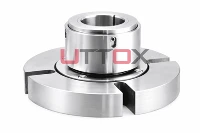
Agitator mechanical seals are precisely engineered barriers that are put in place where mixer shafts enter process vessels. Their working principle depends on keeping in touch between two very flat faces-one that turns with the shaft and one that stays still inside the housing-so that a fluid-tight boundary is formed under constant spring pressure.
Fundamental Design Principles
A harder face material, like silicon carbide, is usually pressed up against a softer carbon-graphite companion at the sealing contact. This pairing makes tiny surface contact that stops large amounts of fluid from moving while letting a thin film of lubrication keep friction and heat from building up. Unlike centrifugal pump seals that work in liquid-filled spaces, agitator mechanical seals have to deal with a lot of shaft deflection and runout because of long shafts that hang over the impeller and heavy loads on them.
Common Seal Configurations
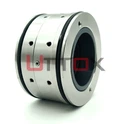
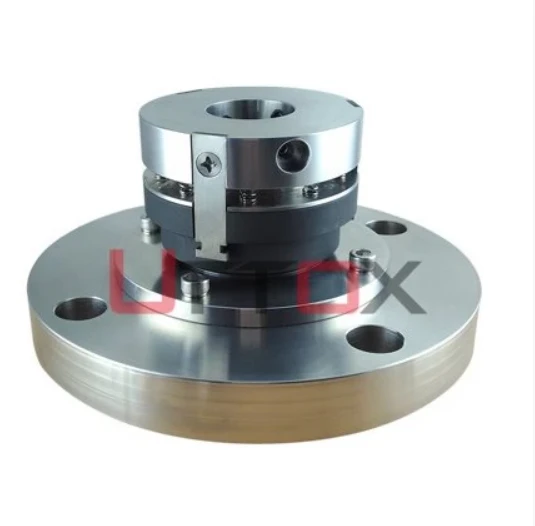
Single agitator mechanical seals work well in low-pressure, non-hazardous situations where small amounts of fumes are okay. There are two sealing surfaces in a double agitator mechanical seal setup, and a pressurized barrier fluid flows between them to keep any toxic or flammable media inside. All closing parts-faces, springs, sleeves, and glands-are built into cartridge designs and come pre-assembled. This eliminates installation mistakes and shortens the time needed for upkeep.
Material Selection Considerations
Standard face materials include carbon, ceramic, and tungsten carbide. Each has a different chemical protection makeup. Which elastomer to use-Viton, EPDM, or PTFE-depends on the temperature ranges and process fluids that are compatible. For general chemical service, metal parts are usually made of 316L stainless steel. For very acidic conditions, they are made of Hastelloy C-276. These choices about materials have a direct effect on how long an agitator mechanical seal lasts in aggressively acidic or high-viscosity slurries that are typical in chemical processes.
Addressing Industry Pain Points
Traditional packing needs to be adjusted all the time, uses a lot of flush water, and lets leaks happen on purpose, which is bad for both the environment and cleaning. Agitator mechanical seals get rid of these issues while also dealing with the unique problems that agitator systems have, such as excessive shaft movement, the risk of dry running in top-entry setups, and strict cleanability standards for pharmaceutical applications that need steam-in-place sterilization.
Top 5 Benefits of Using Agitator Mechanical Seals in Industrial Applications
When industrial facilities use modern agitator mechanical seal technology, they see measurable improvements in many areas of their operations. The following perks have been seen to be helpful in chemical plants, refineries, and manufacturing activities.
Superior Leakage Prevention Under Harsh Conditions
There are a lot of safety and environmental risks that come with working with corrosive acids, caustic solutions, and flammable chemical compounds in the process industries with seccomix sealing system. Even when temperatures reach 350°C or pressures rise above 60 bar, an agitator mechanical seal keeps its zero-visible-emission performance. This ability to contain keeps workers from being exposed to dangerous substances, keeps controlled substances from escaping into the air, and stops product loss caused by packing leakage. In pharmaceutical bioreactors, double agitator mechanical seals with sterile buffer systems keep the batches completely pure. This keeps contamination from happening, which could lower the quality of the products or cause expensive production stops. The sealed environment also keeps delicate processes safe from oxygen or moisture in the air, which could mess up the chemistry of the reaction.
Extended Equipment Life and Reduced Maintenance Frequency
When properly stated, agitator mechanical seals can last for three to five years without needing to be overhauled. This is in contrast to packing, which needs to be adjusted every few weeks. This durability comes from well-balanced designs that keep face loads and heat production to a minimum, as well as material choices that don't wear down easily in slurry situations. Cartridge agitator mechanical seal assemblies have steady bearings that hold up the shaft weight. This keeps the seal and drive parts from bending too much. When upkeep is needed, cartridge designs make it possible to change the whole agitator mechanical seal in hours instead of the days it takes to rebuild each part separately. This lessened need for upkeep means lower costs for stocking extra parts and less need for skilled millwrights.
Enhanced Operational Efficiency and Process Reliability
Agitator mechanical seals get rid of the need for packing to use cooling water and lubrication fluid, which lowers utility costs and makes auxiliary systems easier to use. Their constant ability to seal keeps process conditions stable without the performance loss that happens when packing runs out. In places where production is ongoing, like polymerization reactors that are used 24 hours a day, seven days a week, this reliability stops breakdowns that cause emergency shutdowns that stop processes further down the line. There are trade-offs between single and double agitator mechanical seal configurations in terms of performance. Single seals are more cost-effective for fluids that aren't dangerous, while double arrangements provide complete containment for hazardous services. Barrier fluid systems can detect early signs of primary seal degradation before process leakage happens.
Compliance With Rigorous Industry Standards
Modern sealing systems are made to meet standards like ISO 21049 for mechanical seal measurements, API 682 for chemical and fuel uses, and DIN 28138 for agitator flange connections. For these certificates to be valid, the measurements must match, the testing methods must be the same, and the material must be able to be tracked back to its source. For pharmaceutical operations, validation paperwork must show that the equipment can be cleaned and steamed in place, and the finishes on the surfaces must follow hygienic design principles. More and more, environmental laws require fugitive emission limits that can only be met by agitator mechanical seals. This is especially true for volatile organic compounds that are monitored under air quality permits. Certifications for vendors make the approval process easier and make audits easier, which is good for procurement teams.
Customization Capabilities for Diverse Applications
Off-the-shelf solutions don't work for complex mixing processes; they need engineering that is tailored to the job. Manufacturers can make custom agitator mechanical seal designs that fit odd shaft sizes, the needs for rare materials for harsh chemicals, or the needs for specialized barrier fluid systems for polymerizing media. For top-entry and bottom-entry agitator setups, the seals and supports need to be set up in different ways. For applications with a high viscosity, heated seal chambers may be needed to keep the fluid flowing. For abrasive slurries, hard-face coatings or flushing systems that stop particles from getting in are helpful. This gives facilities the freedom to choose the best agitator mechanical seal solutions for each service situation, rather than having to settle for designs that don't meet their needs.
How to Select the Right Agitator Mechanical Seal for Your Industrial Application
A good agitator mechanical seal specification starts with a full description of the process and matching the needs of the equipment with the technologies that can be used for sealing.
Evaluating Process Conditions
Extreme temperatures determine the choice of rubber and face material. Standard parts can handle temperatures from -20°C to 200°C, but some designs can handle even higher temperatures. Pressure ratings need to include safety margins above the highest possible operating conditions to account for pressure spikes that could happen in an emergency. The type of agitator mechanical seal and how often it needs to be flushed are affected by the fluid's viscosity, solids content, corrosiveness, and tendency to polymerize. Seal makers give you chemical compatibility charts that help you choose the right material. These charts show you which elastomers and metals are resistant to different process chemicals.
Comparing Seal Designs and Materials
Single agitator mechanical seals are cheaper for non-hazardous uses below 10 bar pressure, while double seals are worth the extra money because they completely contain dangerous or burning media. Metal parts made of 316 stainless steel are fine for most chemical applications, but parts made of Hastelloy or titanium are needed for very acidic environments. When it comes to abrasive services, silicon carbide and tungsten carbide face materials are both expensive and don't last as long. It's important to weigh the initial investment against the long-term costs, such as the chance of unplanned downtime and the frequency of upkeep.
Partnering With Qualified Manufacturers
Reliable suppliers offer full technical support during the whole selection process, including application engineering that makes sure the agitator mechanical seal's specifications are right for the way it will be used. Dimensional accuracy and material uniformity are very important for the performance of seals, and are made sure by certified quality systems. After-sales support, such as installation training, help with troubleshooting, and faster shipping of extra parts, keeps downtime from being too long when seals fail. Before agreeing to a long-term supply relationship, procurement teams should make sure that the company can make the goods, have enough inventory, and have a service network that covers the whole country.
Best Practices for Installation, Maintenance, and Troubleshooting
The life of an agitator mechanical seal rests on both how well it was installed and how often it is checked for problems.
Installation Guidelines
Before installing agitator mechanical seal parts on a shaft, runout, surface finish, and sleeve fit standards must be checked. Face cleanliness is very important for the first operation; any contamination causes scoring and leakage right away. Installing cartridge agitator mechanical seal assemblies is easier because all the adjustments are already made at the factory. However, installers still need to check the seal chamber dimensions and the orientation of the flush connection. Pay close attention to the torque requirements for gland bolts. If they are not tightened enough, the faces will not line up correctly, and if they are tightened too much, the seal housings will become warped.
Maintenance Scheduling and Inspection
As part of routine tracking, the temperature of the seal chamber, the amount of the barrier fluid, and the leakage signs are checked every day during equipment rounds. Vibration analysis finds worn bearings or an uneven shaft before they cause mechanical damage. Face wear patterns, spring tension, and elastomer state should all be recorded during planned checks during turnarounds. Keeping accurate service records lets you change parts before they break down badly, so you can schedule overhauls during planned outages instead of having to make fixes right away.
Diagnosing Common Problems
Too much leaking could mean that the face is damaged, the eagle burgmann seccomix seal wasn't installed correctly, or the seal wasn't chosen for the conditions of the process. Temperature jumps mean that the bearings aren't properly lubricated because they are running dry, the barrier fluid isn't moving properly, or there is too much face pressure. Noise that doesn't make sense is often a sign of bearing problems or cavitation in flush systems. Systematic fixing finds the root causes and decides whether repairs need new agitator mechanical seals, reworking of the shaft, or other system fixes. When in-house knowledge isn't enough to make a diagnosis, calling maker technical help speeds things up.
Future Trends and Innovations in Agitator Mechanical Seals
Sealing technology keeps getting better to meet the needs of industries that are becoming more demanding and to meet the changing expectations of buyers.
Advanced Materials and Design Innovations
With new composite materials in seccomix sealing system, temperatures can go above 400°C and they stay chemically inert over a wider pH range. Laser surface texture improves performance even when there isn't much oil on the surface because it controls the thickness of the lubricating film. In ultra-pure pharmaceutical uses, contamination risks are eliminated by gas-lubricated agitator mechanical seals that don't need liquid barrier fluids to work. These new products meet specific needs that traditional forms can't meet.
Smart Monitoring and Predictive Maintenance
Sensors built into agitator mechanical seal housings send real-time information to plant control systems about temperature, vibration, and face wear. Machine learning algorithms look at these parameters and guess how much longer the item will last, which helps them plan maintenance better. This condition-based method cuts down on replacements that are needed too soon and stops problems that were not expected. It fits in with larger Industry 4.0 efforts to improve asset optimization.
Supply Chain Evolution
Global buying habits are shifting more and more toward suppliers who can offer fast delivery, technical customization, and full inventory management. Multi-plant businesses that want to save money by standardizing their purchases like bulk buying plans with volume discounts. Distributor networks with local stock and emergency response skills work with direct maker relationships to make sure that agitator mechanical seal parts are available when they're needed most.
Conclusion
Agitator mechanical seals outperform conventional packing in terms of leaking, service life, and process dependability. For proper selection, seal designs and materials must be matched to the conditions of the application. Quality of installation and upkeep practices also have a big impact on how well the system works. Cost pressures and stricter environmental rules are making it more important for industrial facilities to invest in the right sealing technology in order to stay competitive. The UT-Seccomix option from Uttox is a useful alternative that combines tested performance with system-level compatibility and quick expert help to solve real-world problems in reaction and mixing situations.
FAQ
1.What distinguishes an agitator mechanical seal from centrifugal pump seals?
Long shafts that hang over the edge and heavy mixing loads cause agitators to have a lot more shaft runout and axial movement. For these uses, agitator mechanical seals have stronger springs and bigger gaps between the parts so they can bend without the faces coming apart. A lot of designs include integrated steady bearings that give the shaft extra support.
2.Can mechanical seals operate safely during dry-running conditions?
When standard liquid-lubricated agitator mechanical seals don't have fluid lubrication, they fail very quickly. Specialized dry-running designs with carbon-graphite face combinations or gas-buffered lift-off mechanisms can work in short-term dry conditions, but they need special engineering and cost more.
3.How do I determine maintenance intervals for chemical processing environments?
How often you need to inspect something depends on how rough the service is; acidic or gritty uses need more frequent checks. Visual checks every three months and detailed inspections once a year during planned turnarounds are standard practices. Condition tracking tools let you make schedules that are based on how well the agitator mechanical seals are actually working, not just on random time intervals.
Partner With Uttox for Reliable Agitator Sealing Solutions
Uttox has been making agitator mechanical seals for 30 years and now uses that knowledge to make the UT-Seccomix system, which is a reliable option for demanding reactor and agitator services. During the specification process, our engineering team provides full technical support to make sure that the seals you choose are right for your specific operating conditions. As a well-known provider of agitator mechanical seals, we keep a large stock on hand for quick delivery, which keeps downtime to a minimum during emergency repairs. Our production skills and quick service meet your practical needs, whether you need standard configurations or custom-engineered solutions for corrosive fluids and high-viscosity media. Get in touch with our technical experts at info@uttox.com to talk about your specific sealing problems and find out how our system-level approach lowers maintenance costs and raises process reliability.
References
1. Adams, W.V. (2018). Mechanical Seal Practice for Improved Performance. New York: Industrial Press.
2. Lebeck, A.O. (2021). Principles and Design of Mechanical Face Seals. Boston: Technical Publishing House.
3. Müller, H.K. & Nau, B.S. (2019). Fluid Sealing Technology: Principles and Applications. London: Engineering Design Publications.
4. Society of Tribologists and Lubrication Engineers (2020). Guidelines for Mechanical Seal Selection in Chemical Processing. Park Ridge: STLE Press.
5. Summers-Smith, J.D. (2017). Mechanical Seal Design and Application in the Process Industries. Oxford: Professional Engineering Publishing.
6. Watanabe, K. & Tanaka, M. (2022). Advanced Materials for High-Performance Mechanical Seals. Tokyo: International Sealing Technology Institute.