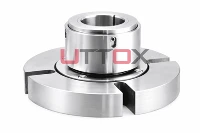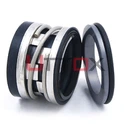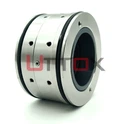


It is important to know what a mechanical seal for Wilo EMU pump really is when talking about important sealing technology in underwater pump systems. This special dynamic closing device keeps pumped media-from raw sewage to rough effluent-from getting into the motor room. This keeps expensive equipment from breaking down in a big way. Choosing the right seal has a direct effect on system stability, operational downtime, and maintenance funds. It is a smart purchasing choice that has an impact on your bottom line.
What Is a Mechanical Seal and What Is Its Function in Wilo EMU Pumps?
Defining the Core Components
A mechanical seal is made up of carefully designed parts that fit together to make a barrier that keeps fluids out at the spinning shaft contact. The main parts are sealing faces that can rotate or stay still, flexible secondary seals, springs or bellows that keep the contact pressure, and hardware like sleeves and glands. When these seals are used on Wilo EMU submersible pumps, which are found in wastewater treatment plants and industrial drainage systems, they usually work in two different ways to keep media from getting in.
How Seals Preserve System Integrity?
Where the shaft of the Wilo EMU pump enters the case, the mechanical seal for Wilo EMU pump forms a barrier. In contrast to compression packing, which lets controlled leaking happen, mechanical seals create an almost zero-emission contact by pressing together two very flat faces. One face moves with the shaft, and the other face stays fixed to the body of the pump. This interface works with a thin layer of lubricant fluid-usually white oil or a special transformer fluid for EMU uses-that keeps the hydraulic seal in place and stops direct surface contact. The design can handle high hydraulic pressures that are common in deep-well submersion (often more than 10–16 bar) while keeping dirty process fluids from getting into sensitive electrical motor parts.
Mechanical Seals vs. Traditional Packing
By comparing different types of seals, we can see why current underwater pumps prefer mechanical seals like the Wilo EMU pump seal. Regular compression packing needs adjustment, handles large leaks, and creates shaft friction heat. A Wilo EMU pump seal eliminates these problems, providing better sealing with less maintenance. Improved sealing reduces fluid loss, keeps surroundings clean, and extends bearing life by preventing abrasive slurry contact. Maintenance teams appreciate less downtime; plant managers value safer handling of hazardous or acidic fluids.

How Do Mechanical Seals Work in Pump Applications?
Operating Principles and Pressure Balance
Mechanical seals keep their contact fluid-tight by using forces that are carefully adjusted. The spring system consistently presses the seal faces together, and the pumped fluid's hydraulic pressure changes the shape of the seal. When engineers make balanced seals, they lower the net closing force so that there is less pressure and heat on the face of the seal. In underwater pump seal situations, where cooling rests on the pumped medium around it, this balance is very important. The seal faces stay apart because of a thin film of fluid (usually 0.5 to 5 microns thick) that cools and lubricates while stopping large amounts of fluid from leaking.
Seal Configurations for Different Demands
For different uses, different seal designs are needed. In non-hazardous situations, single seals are easy to use and cost-effective, and the edges of the seals are directly exposed to the process fluid. A buffer fluid chamber between two sets of seals makes double mechanical seals safer, which is important when working with harmful or environmentally sensitive materials. By putting all of the parts on a sleeve ahead of time, cartridge seals make installation and repair easier. This cuts down on mistakes and downtime during installation. In sewage and wastewater settings where solid contamination is a constant problem, the mechanical seal for Wilo EMU pump typically uses tandem double seal setups to protect motors.
Material Selection Impact
The choice of face material directly affects how long and reliably the seal works. Silicon carbide (SiC) is very hard and doesn't react with chemicals, so it's perfect for gritty slurries and chemicals that break down metal. When pumps run into trash or shock loads, tungsten carbide (TC) gives them better protection to impact. A carbon graphite face has great lubricity and heat conductivity, but it needs to be carefully checked to make sure it doesn't react badly with fluids. Some secondary seal materials are fluoroelastomers (FKM/Viton), which are resistant to many chemicals, EPDM, which is good for hot water, and PTFE, which is compatible with all chemicals. Operating factors, such as temperature ranges from -20°C to +140°C and changing pH levels, determine the best material for the job so that the seal works well for as long as it lasts.
Identifying and Solving Mechanical Seal Issues in Wilo EMU Pumps
Recognizing Common Failure Symptoms
Maintenance teams should keep an eye out for certain signs that a seal is wearing down. Finding moisture in the motor's oil chamber, which is often done by leaking monitors built into EMU pumps, lets you know right away if the seal is about to break. When regular electrical testing is done and there is a quick drop in insulation resistance, it means that contamination has reached the motor windings. Leaks that can be seen, strange sound patterns, or the seal chamber getting too hot are all signs that something needs to be fixed right away. If you notice these signs early, you can stop them from getting worse, from minor seal wear to severe motor failure that needs a whole new pump.
Systematic Troubleshooting Approach
Structured analysis cuts down on mistakes and saves time when seal problems happen. First, make sure that the pressure, temperature, and fluid compatibility meet the design requirements for the working conditions. Check the seal chamber for clumps of dirt or crystallized layers that make it hard for the seal face to touch. Check the state of the bearings and the runout of the shaft because too much shaking can quickly damage seal faces. Check secondary seals for damage from swelling, hardening, or expansion. Look over your most recent repair records to find trends that could point to mistakes in the installation or the choice of seals. This methodical technique finds the root causes instead of just fixing the signs, which stops mistakes from happening again and again.
Maintenance Best Practices
To make seals last longer, you need to be careful about cleaning. Maintain the right amount of barrier fluid in double seal setups and keep an eye out for leakage that could mean the seal face is wearing down. Follow the manufacturer's advice about how often to check the product-usually every six months for important uses. When replacing the seal, make sure that all of the mating surfaces are very clean and that the measurements of the housing bore and shaft sleeve match the specs. Use calibrated tools to apply the right amount of fitting pressure to gland bolts. Both under- and over-tightening will cause them to fail early. Keep extra covers in climate-controlled spaces out of the sun and away from ozone sources that break down elastomers. When working with seals, don't touch rounded faces because skin oils and particles can ruin the smooth finish needed for a good seal.
Comparing Mechanical Seals for Wilo EMU Pumps: How to Choose the Right One?
Technical Specification Analysis
When making procurement choices, you have to weigh a lot of technical factors against your budget. Pressure ratings must be higher than the maximum working conditions by a safe amount. For example, 16-bar ratings are fine for most wastewater uses in cities, but higher ratings may be needed for industrial processes. Temperature potential is something that needs to be thought about, especially in hot areas or processes that use heated waste water. When pumps deal with industrial waste streams that have different pH or liquid contents, chemical compatibility is very important. Different Wilo EMU pump types in the FA, TR, and KP lines have different shaft diameters and seal chamber setups, so the dimensions must be exactly the same.
Material Property Trade-offs
Knowing material properties helps select a Wilo EMU seal replacement for optimal service life. Ceramic (SiC) faces resist wear in grit-filled sewage. Carbon-graphite handles short dry running during startup. Tungsten carbide withstands shock loads from cavitation. Compare material costs against estimated service intervals and labor to identify true lifetime value of a Wilo EMU seal replacement.
Lifecycle Cost Considerations
The real economic effect of seal choice can be seen by looking at the total cost of buying. Premium seals made from advanced materials and better manufacturing standards cost more, but they last longer between service intervals, which cuts down on maintenance costs and production downtime. Dividing the total cost of the seal plus the cost of the fitting work by the estimated runtime between replacements gives you the cost per hour. Think about the extra costs that come up, like lost production during unexpected breaks, fees for getting emergency parts quickly, and possible fines for environmental damage from leaks. When these hidden costs are taken into account, a slightly more expensive seal is often a much better deal.
Where and How to Procure Mechanical Seals for Wilo EMU Pumps?
Identifying Reliable Supply Partners
To find good sealing parts, you have to carefully evaluate possible providers. Authorized Wilo dealers promise to sell original equipment manufacturer (OEM) parts with full warranty support and detailed paperwork, but they usually charge more for these parts. Specialized companies that make mechanical seals, like Uttox, offer designed alternatives that work just as well but cost less. When looking at different sources, make sure you check their manufacturing skills, such as whether they have in-house lapping equipment for precise face finishing, testing facilities for materials, and certifications for their quality management system. It's important to check a supplier's image. Ask for examples from current customers who have used the supplier in similar situations, and see how quickly they respond to technical questions.
Procurement Strategy Considerations
Finding a good way to buy things requires balancing a lot of different goals. Keeping important extra seals close by cuts down on emergency downtime, but it also locks up working capital in inventory. Setting up vendor-managed inventory deals takes this responsibility off of customers and makes sure that parts are always available. When you buy a lot of standard seal sizes that are used on all of your pumps, the cost per unit goes down by a lot. Cartridge seal kits make managing inventory easier by containing all the new parts in one package, which cuts down on the number of parts that are needed. The plan for buying new Wilo EMU seals should match your maintenance strategy. Predictive condition monitoring lets you order just what you need, and preventive replacement schedules can benefit from buying in advance when prices are low.
Quality Verification Methods
Being careful is needed to protect against fake or low-quality parts. Suppliers you can trust will give you material certificates with information about the face makeup, hardness values, elastomer shore durometer readings, and spring force measures. Critical tolerances must match the specs, as shown in dimensional inspection records. You can test sample seals by noting how flat their faces are under a single-color light source. Good seals will be flat within two light bands (0.6 microns). Before installing, try seal systems on a bench under pressure to make sure they won't leak. When buying from other countries, make sure you know the rules for country-of-origin marking and customs paperwork to make sure you get real goods and not ones that break intellectual property laws.
Conclusion
Knowing about mechanical seal technology and how it is used in underwater pump systems can help you make better choices about what to buy and how to maintain it. The mechanical seal for Wilo EMU pump is the most important barrier that keeps dirty process fluids from getting into the motors, which has a direct effect on how reliable the system is and how much it costs to maintain. The best value comes from choosing the right seals based on their use, compatibility with other materials, and cost over their entire life. When problems happen, systematic fixing stops small issues from getting worse and turning into expensive fails. Working with experienced suppliers who offer expert support, keep reliable stock, and stand behind their goods will help your business stay as efficient and up to date as possible.
FAQ
1. How often should mechanical seals in Wilo EMU pumps be inspected?
How often you inspect relies on how bad the service is and how long it's been running. For municipal wastewater uses, inspections should be done every six months to check the state of the barrier fluid and look for leaks. Industrial processes that use rough or highly harmful materials may need to be looked at every three months. Visual checks once a month are helpful for pumps that are constantly in important service. Always use the manufacturer's suggestions as a starting point. You can change the time between checks based on how well the system has worked in the past and how often it fails in your particular setup.
2. Can generic seals replace original Wilo-branded components?
Quality replacement seals made by experienced companies can work just as well as OEM parts but cost less. The key is to make sure that the measurements are correct, that the right materials are used, and that the right planning is done for the job. Reliable sources, such as Uttox, make new seals that are especially made for Wilo EMU pump configurations. Dimensional inspection and pressure tests make sure that the seals can be swapped out. Before replacing the seal, make sure that it meets or beats the original requirements for pressure rating, temperature range, and chemical compatibility.
3. What causes most mechanical seal failures in submersible pumps?
There are a few common reasons why seals fail. Solids in suspension cause abrasive wear that slowly wears away seal faces, letting leaks happen. When rubber secondary seals are attacked by chemicals, they break down and grow or harden, which makes sealing impossible. Many early failures are caused by bad installation, such as dirty faces, the wrong order of assembly, or the wrong pressure values. Running the engine without a prime or during starting creates too much heat, which damages the sealing contact and warps parts. Getting rid of these underlying problems by using the right materials, installing them carefully, and following the right working methods makes seals much more reliable.
Partner with Uttox for Reliable Wilo EMU Pump Sealing Solutions
Zhejiang Uttox Fluid Technology has been making mechanical seals for more than 30 years and can help you with your underwater pump sealing problems. We are a specialized mechanical seal for Wilo EMU pump provider, so we know how hard it is for your tools to work in wastewater treatment, industrial drainage, and sewage handling. Our engineering team creates new seals that work just as well as the original parts and save you money on upkeep costs by keeping our prices low and our stock levels stable.
Uttox keeps a large inventory of different types of EMU pump seals, so they can send them quickly and keep your downtime to a minimum. Our quick-to-respond technical support team helps with installation, fixing, and application engineering to make sure you get the best seal for your needs. You can talk to our experts about your sealing needs and get a personalized price that meets your buying goals by emailing info@uttox.com. We offer the quality guarantee and supply dependability that your operations need to distributors, OEM makers, and end users in more than 50 countries.
References
1. Mechanical Seals: Principles, Design, and Applications in Rotating Equipment (3rd Edition), Industrial Press Inc., 2018.
2. Technical Standards for Submersible pump Mechanical Seals: DIN EN 12756 Compliance Guidelines, European Industrial Standards Council, 2020.
3. Failure Analysis and Prevention in Industrial Mechanical Seals: A Maintenance Engineering Perspective, ASME Technical Publications, 2019.
4. Material Selection for Mechanical Seal Components in Wastewater and Sewage Applications, Journal of Tribology and Sealing Technology, Vol. 45, 2021.
5. Lifecycle Cost Analysis of Sealing Systems in Municipal Wastewater Infrastructure, Water Environment Federation Technical Report, 2022.
6. Advanced Mechanical Seal Technologies for Submersible Pump Applications, International Pump Users Symposium Proceedings, 2023.