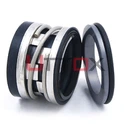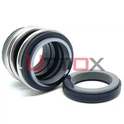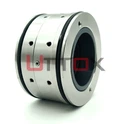


Getting solid fixing parts is continuously difficult for buying laborers who run mechanical operations. The MG1 mechanical seal has become a dependable alternative in numerous areas, from petrochemical plants to water treatment plants, where keeping hardware running and ceasing spills are critical for security and benefit. It is exceptionally imperative to know where to purchase MG1 mechanical seals around the world if your trade needs veritable, high-performance parts that meet strict quality benchmarks.
This artical will offer assistance to OEMs, repair groups, merchants, and builders to find reliable fixing alternatives. This segment analyzes the MG1 series' innovative highlights that make it suitable for requesting utilization. We too recognize approved vendors in key marketplaces, talk about keen buying, and give part-life-extending upkeep advice. This comprehensive direct offers you with all the data you require to make sensible buying choices that adjust cost-effectiveness with operational consistency, whether you require replacement parts for critical repairs or bulk orders for unused gear installation.
Understanding MG1 Mechanical Seal: Key Features and Applications
Design Architecture and Technical Specifications
The mg1 mechanical seal highlights an elastic howl and a single-spring plan broadly utilized in centrifugal pumps and pivoting hardware. It works without dependence on revolution, utilizing adaptable howls to transmit torque whereas compensating for shaft misalignment and hub development. This disposes of energetic O-ring issues and avoids shaft fretting common in mechanical frameworks. The MG1 arrangement underpins temperatures from -20℃ to +200℃, weights up to 16 bar, and speeds up to 10 m/s. Shaft sizes from 12 mm to 120 mm guarantee compatibility with most standard pump setups, making it a flexible fixing arrangement across various industries.
Material Composition and Chemical Resistance
Material choice specifically impacts toughness and execution of the MG1 mechanical seal. Seal faces incorporate gum carbon for water benefit, antimony carbon for progressed warm exchange, silicon carbide for rough media, SSIC for forceful chemicals, and tungsten carbide for extraordinary obligation. Elastomer alternatives incorporate VITON for chemical resistance, EPDM for water and steam, NBR for oil-based liquids, FFKM for profoundly responsive situations, and AFLAS for specialized applications. Metal components are ordinarily SS304 or SS316 stainless steel, advertising erosion resistance. This wide fabric run permits customization for differing chemical situations and guarantees long-term unwavering quality beneath changing handle conditions.
Industrial Applications and Performance Benefits
The mg1 mechanical seal is broadly utilized in chemical preparing, oil refining, water treatment, and common fabricating. It handles destructive liquids, hydrocarbons, and treated water viably through versatile fabric arrangements. Mechanical frameworks such as pumps, blenders, and cooling circuits depend on their reliable fixing to minimize downtime. In wastewater and mash businesses, the plan stands up to clogging from solids due to its open spring structure. Execution preferences incorporate diminished shaft wear, lower spillage, and made strides security. These benefits interpret into amplified gear life, lower support costs, and steady operation indeed in requesting or sullied prepare environments.
Where to Buy MG1 Mechanical Seal Globally: Authorized Suppliers and Manufacturers
Identifying Authorized Manufacturing Sources
Global sourcing of the MG1 mechanical seal requires distinguishing producers that meet OEM guidelines and guarantee tradable with major brands like Hawk Burgmann, AESSEAL, and Vulcan. Trustworthy providers keep up strict quality control frameworks, frequently backed by ISO certification, guaranteeing dimensional exactness and fabric traceability. Progressed testing strategies, such as spectrometer investigation and hardness testing, confirm fabric judgment. Weight and spillage testing affirm fixing unwavering quality after shipment. Built up producers with decades of involvement give reliable quality and decrease establishment dangers, making them solid accomplices for mechanical procurement.

Regional Distribution Networks
Distribution systems for the MG1 mechanical seal shift by locale. In North America, mechanical wholesalers keep up stock for fast conveyance and crisis substitution needs. European providers give localized specialized back and compliance with territorial measures. Asian producers, especially in China, offer coordinated sourcing preferences with competitive estimating and solid production capacity. Companies like Zhejiang Uttox Liquid Innovation serve worldwide markets with shipments to over 50 nations. These territorial systems empower buyers to adjust taken a toll, accessibility, and specialized bolster based on extend necessities and urgency.
Supplier Verification and Quality Assurance
Verifying provider validity is basic when obtaining the mg1 mechanical seal. Buyers ought to ask for fabric certifications affirming chemical composition and hardness of seal faces and elastomers. Dimensional review reports guarantee levelness inside strict tolerances, supporting successful fixing execution. Client references from comparable businesses give insight into unwavering quality, conveyance execution, and benefit quality. Organizations with built up designing firms or OEMs show provider capability to meet customer requirements. Long-term participation with mechanical clients illustrates steady execution and diminishes acquisition risks related to low-quality or fake products.
MG1 Mechanical Seal Procurement Process: A Professional Buying Guide
Strategic Sourcing Considerations
Procurement of the mg1 mechanical seal involves balancing cost, availability, and performance. Standard sizes are often stocked for immediate delivery, while customized designs may require 4–6 weeks production time. Pricing varies based on material selection and order volume, with advanced materials like silicon carbide offering higher durability at increased cost. Bulk purchasing can reduce unit prices and improve supply efficiency. Proper planning ensures maintenance schedules align with delivery timelines, minimizing operational disruptions and optimizing inventory management across multiple facilities.
Customization and Engineering Support
Specialized applications may require customized mg1 mechanical seal configurations. Suppliers with engineering expertise analyze operating conditions, media properties, and equipment limitations to recommend optimal materials and designs. Customization may include modified seal face geometry, tailored elastomer compounds, or adjusted bellows lengths (MG12 or MG13 variants). Experienced technical teams identify potential failure risks and propose design improvements. This support enhances reliability in challenging environments where standard configurations may not perform adequately.
Warranty Terms and After-Sales Support
Warranty coverage for the mg1 mechanical seal typically ranges from 12 to 18 months, protecting against manufacturing defects but excluding wear or improper use. Understanding warranty limitations helps avoid disputes. After-sales support is critical for continuous operations, as technical assistance accelerates troubleshooting and minimizes downtime. Suppliers offering spare parts availability and responsive service enable efficient maintenance. Strong support systems reduce lifecycle costs and improve operational reliability, especially in industries where equipment uptime is essential.
Evaluating Supplier Reliability
Supplier reliability directly affects long-term procurement success. Consistent delivery schedules ensure availability during maintenance cycles, while stable product quality reduces installation variability. Responsive communication improves transaction efficiency and problem resolution. Technical expertise is demonstrated through accurate recommendations and effective troubleshooting support. Selecting a dependable supplier for the mg1 mechanical seal ensures consistent performance, reduces operational risks, and builds a stable partnership for future industrial needs.
Installation, Maintenance & Troubleshooting: Supporting Your Procurement Decision
Proper Installation Procedures
Correct installation of the mg1 mechanical seal is critical for performance and longevity. Clean shaft surfaces thoroughly and remove contaminants before installation. Verify shaft runout and alignment to ensure they meet manufacturer tolerances. Apply appropriate lubrication to elastomers, avoiding incompatible substances that may degrade materials. Confirm proper orientation, spring tension, and chamber dimensions to prevent misalignment or inadequate sealing force. Ensuring correct installation minimizes early failures and supports stable operation.
Preventive Maintenance Strategies
Routine monitoring improves the lifespan of the mg1 mechanical seal. Inspect for leakage, temperature variations, and abnormal conditions during operation. Initial seepage may occur during break-in, but persistent leaks require investigation. Temperature monitoring helps identify cooling or lubrication issues early. Recording service life and failure patterns allows predictive maintenance planning. Addressing operational factors such as vibration, contamination, and insufficient cooling prevents premature wear and improves overall system reliability.
Common Problems and Solutions
Common issues with the mg1 mechanical seal include leakage, wear, and elastomer degradation. Improper installation often causes early leaks, while abrasive media accelerates face wear. Upgrading materials like silicon carbide can improve durability. Dry running leads to rapid failure and requires process adjustments to ensure adequate lubrication. Elastomer damage from chemical incompatibility or excessive heat can be resolved by selecting more resistant materials such as VITON or FFKM. Identifying root causes ensures effective corrective actions and prevents recurring failures.
Why Choose MG1 Mechanical Seal? Comparative Advantages and Performance Insights
Performance Comparison with Alternative Seals
The mg1 mechanical seal offers clear advantages over traditional packing and some advanced sealing systems. Compared to packing glands, it significantly reduces leakage and shaft wear, improving efficiency and safety. While cartridge seals simplify installation, they are more expensive and may not be necessary for standard applications. Double seals provide higher containment but require complex support systems. For most general industrial uses, the MG1 design balances performance, simplicity, and cost, making it a practical and reliable sealing solution.
Cost-Effectiveness and Return on Investment
The mg1 mechanical seal provides strong value by combining low initial cost with long service life. Eliminating shaft wear reduces repair expenses, while lower leakage minimizes product loss and environmental risks. Reduced friction improves energy efficiency and extends equipment lifespan. Maintenance requirements are simplified, allowing standard technicians to perform servicing without specialized tools. These factors contribute to lower total cost of ownership and make the MG1 seal a cost-effective option for many industrial operations.
Real-World Performance Data
Field data shows the mg1 mechanical seal typically operates for 2 to 5 years depending on conditions. Water treatment systems often achieve maximum lifespan, while harsh environments may require more frequent replacement. Chemical plants benefit from material flexibility, enabling use across multiple applications. Petroleum industries value its ability to handle a wide temperature range. Many facilities report reduced downtime and maintenance costs after switching from packing to MG1 seals. These measurable improvements demonstrate reliable performance and strong return on investment across diverse industrial sectors.
Conclusion
Finding MG1 mechanical seal around the world means balancing technical requirements with source dependability, cost, and the ability to provide help after the sale. This detailed guide looked at the design features of these seals that make them suitable for tough industrial uses. It also suggested ways to find authorized manufacturers and distributors in major markets, recommended the best ways to buy them so that the total cost of ownership is as low as possible, and gave advice on how to install and maintain them so that they last longer.
Professionals in procurement should know that the performance of a seal rests on more than just the quality of the parts. It also depends on choosing the right materials for the job, installing them correctly, and keeping up with their upkeep. Building partnerships with dependable providers who offer expert support, keep enough stock, and deliver consistent quality provides procurement stability that supports practical reliability across all of your equipment.
FAQ
1. How can I verify an MG1 seal supplier is authentic and reliable?
Ask for material approvals that list the seal face and elastomer makeup, measurement inspection reports that confirm the face flatness requirements, and pressure test results that prove the seal won't leak. Check the supplier's qualifications, such as ISO certifications, years of experience making things, and customer references from well-known businesses. Genuine sellers are happy to provide proof of their products and keep conversation about quality control open and honest.
2. What are typical delivery lead times for bulk MG1 seal orders?
Standard configurations usually ship within one to two weeks from stock at a dealer, while special configurations take four to six weeks to make. Depending on the amount ordered and the availability of the material, bulk orders may make wait times longer. This is especially true for specialized face materials like SSIC or elastomer mixtures like FFKM. Early on in the buying process, talking about delivery requirements helps sellers set aside manufacturing capacity and speed up production when time is limited.
3. Can MG1 seals be customized for unique industrial applications?
Experienced makers offer technical help to create custom designs that meet non-standard shaft sizes, chemical compatibility needs, or changed seal dimensions to fit the limitations of specific equipment. Different rubber formulas, different seal face materials, and different bellows lengths can be used to make the product fit the needs of the job. Technical teams look at working factors to suggest the best mixtures of materials that will give the best stability in tough situations.
Reliable MG1 Mechanical Seal Manufacturer for Your Industrial Operations
Uttox offers tried-and-true sealing options backed by 30 years of manufacturing experience to process businesses around the world. Our MG1 mechanical seal range is directly interchangeable with Eagle Burgmann, AESSEAL, and Vulcan types. This means that you can get cheaper options without sacrificing performance or dependability. We keep a large stockpile so that we can send quickly and keep your equipment running as much as possible during planned or emergency maintenance. Our skilled technical staff provides free engineering help by assessing your working circumstances and offering material setups. We can adapt the seal to varied shaft diameters, chemical compatibility requirements, and temperature ranges that catalogue parts can't handle. Quality control processes including spectrometer analysis, measurement verification, and pressure testing ensure that every seal meets tight performance specifications before shipping.
You can talk to skilled application engineers at Uttox about your mechanical seal needs by emailing info@uttox.com. We provide reliable parts, quick contact, and full after-sales support to OEM makers, repair teams, distributors, and building companies in more than 50 countries. For your next procurement job, ask for thorough specs, advice on how to make sure materials work together, or volume price. Because we want our customers to be successful, we don't just sell you parts; we also work with you to reach your operating efficiency goals.
You can look at all of our mechanical seal products at www.uttox.com, download technical information, and get application tools that will make choosing a seal easier.
References
1. "Mechanical Seals: Design and Application in Industrial Equipment," Industrial Press Technical Publishing, 2019.
2. Smith, J.R. and Chen, L., "Comparative Performance Analysis of Elastomer Bellows Mechanical Seals in Chemical Processing Applications," Journal of Process Engineering, Vol. 34, 2021.
3. "Fluid Sealing Technology Standards and Best Practices for Rotating Equipment," American Petroleum Institute Technical Report, 2020.
4. Wagner, M., "Material Selection Criteria for Mechanical Seal Components in Corrosive Service," Chemical Engineering Progress, March 2022.
5. "Global Industrial Sealing Market Analysis: Trends, Technologies, and Regional Dynamics," B2B Industrial Research Group, 2023.
6. Thompson, R. and Liu, H., "Preventive Maintenance Strategies for Mechanical Seals in Process Industries," Maintenance Engineering Journal, Vol. 28, 2021.